Local Millet–Baobab Drink Shows Promise in Tackling Iron Deficiency Among Ghanaian Teenage Girls, Study Finds
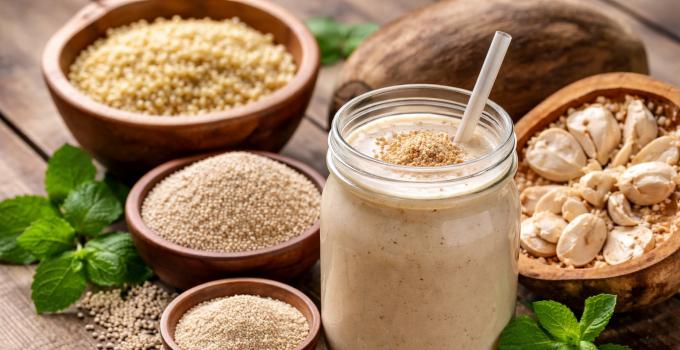
A study by researchers at the College of Science, Kwame Nkrumah University of Science and Technology (KNUST) says a simple beverage made from pearl millet and baobab fruit pulp could provide almost all the daily iron requirements of teenage girls, offering a practical, home-grown response to iron deficiency anaemia.
The findings, published in the Journal of Food Processing and Preservation, arise from the PhD research of Ambrose Atosona in collaboration with Prof. Christopher Larbie, Dr. Charles Apprey and Prof. Reginald Adjetey Annan.
Iron deficiency is widespread among adolescent girls in Ghana, often linked to poor diets and the body’s limited ability to absorb iron from plant-based foods.
The condition can lead to constant tiredness, poor concentration, delayed growth and anaemia, yet adolescents are often left out of nutrition interventions.
Pearl millet, a staple in many Ghanaian homes, is naturally rich in iron. The problem is that much of this iron is not easily absorbed by the body. Baobab fruit pulp, however, is packed with vitamin C, a nutrient known to improve iron absorption.
To test the idea, the researchers developed an instant pearl millet drink powder fortified with different levels of baobab pulp. Forty adolescent girls were invited to taste the drinks and share their preferences.
The version containing 13% baobab fruit pulp stood out as the favourite, scoring highest for taste, colour and overall acceptability.
Nutritional analysis revealed that a single 350-millilitre serving of the preferred drink could provide about 96% of the recommended daily iron intake for adolescent girls. It also supplied roughly 30% of daily vitamin C needs and nearly one-quarter of protein requirements.
Beyond its nutritional value, the drink also passed safety tests and showed good shelf-life, remaining safe and nutritious for up to nine months when stored properly.
The researchers say the study demonstrates how locally available foods can be creatively combined to address nutrition challenges in a culturally acceptable and affordable way.
Also, a recently completed human study by the researchers found improved haemoglobin levels among adolescent girls who consumed the millet–baobab drink, further supporting its potential to improve adolescent nutrition and health.
The study was supported by a grant from the Nestlé Foundation for the Study of Problems of Nutrition in the World, Lausanne, Switzerland.